
vibethecoder ← Back to course

Claude Code Basics · the habit that keeps you fast

Clear your context. Often.

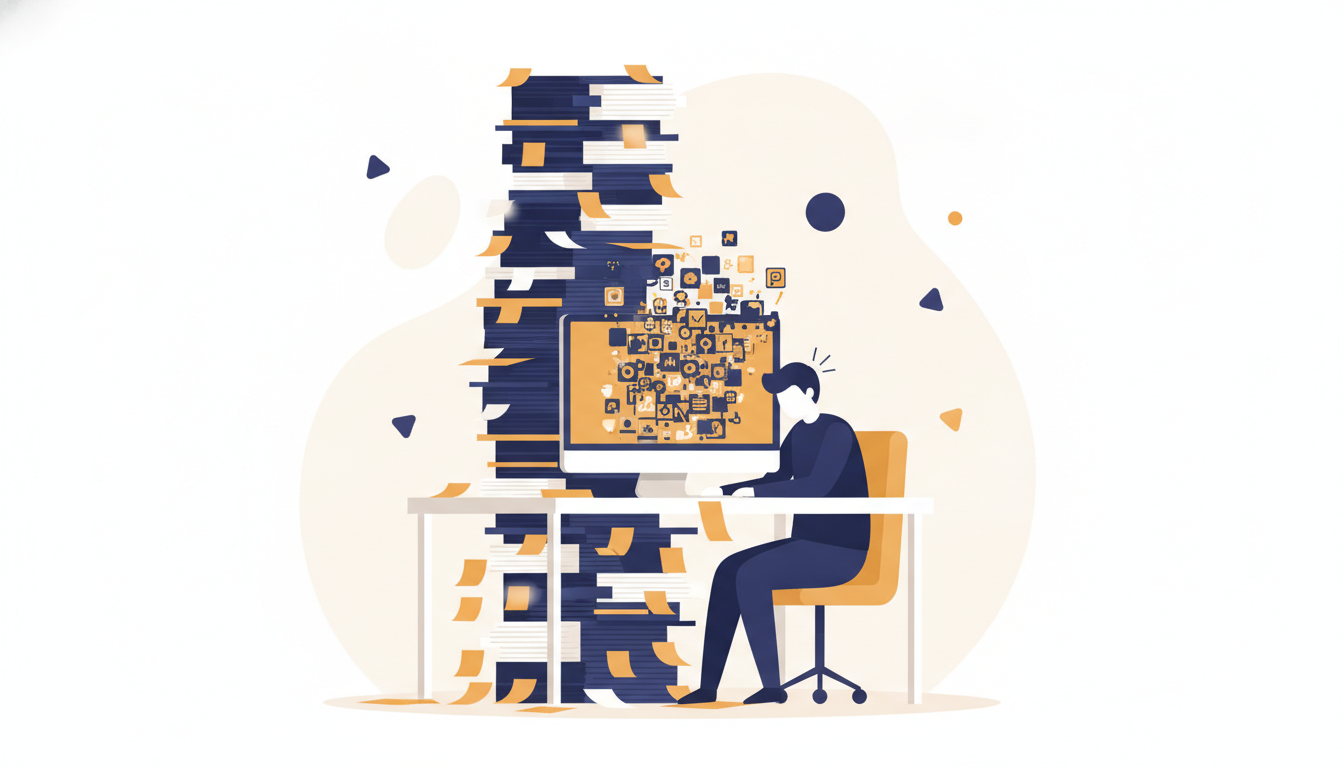
Every message stays in the conversation. The longer it runs, the more the model re-reads — so a giant chat quietly works against you.
🐌
Slower & pricier — it re-reads the whole history every single turn.
🧶
It loses the thread — old, stale details bleed into new answers and it contradicts itself.
🎯
It drifts off-task — five topics ago is still "in the room," muddying focus.
An overloaded, cluttered workspace

Rule of thumb: context is RAM, not storage — keep the working session short.

The right way · don't just wipe it

Checkpoint, then clear

1
Save the durable stuff first
Ask the AI to write decisions, specs & next steps into .md files + memory. Files are your long-term memory.
2
Clear the context
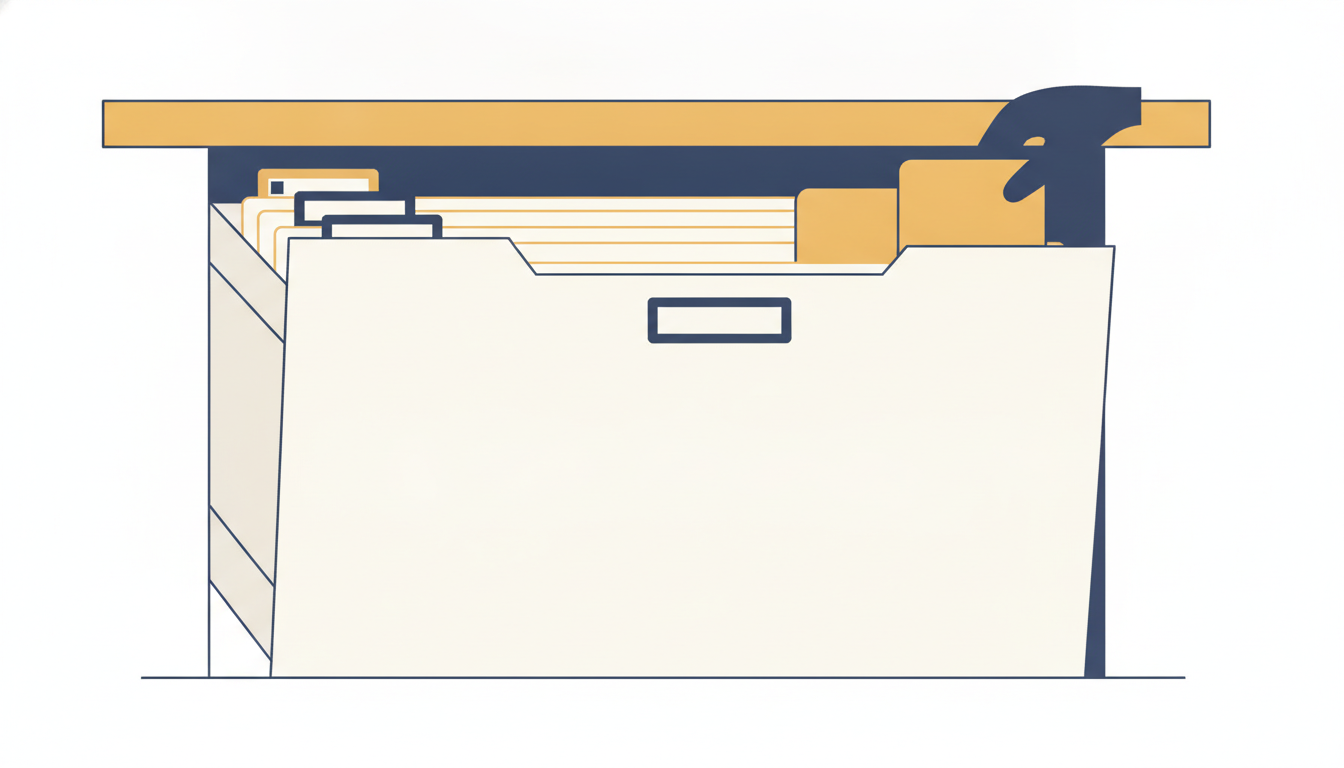
Run /clear to start a clean session. Nothing's lost — it's on disk.
3
Reopen pointed at the files
"Read those notes & the memory, then tell me where we are." Short context, full knowledge.
Notes being filed safely into a drawer

The mistake is clearing without saving. Write to disk first — then wipe freely.

Steal this · the checkpoint prompt

One prompt before you /clear

Before I clear this conversation, act as a project archivist. Review everything we decided and built, and persist it so nothing is lost when context is wiped: 1 Save each durable decision / spec / reusable asset into a clearly-named .md file (distill conclusions, don't dump the chat). 2 Update my memory/notes with one-line pointers to those files. 3 List any OPEN threads + next steps as a short TODO. 4 Tell me what's already safe elsewhere (committed code, docs). Then give me a one-paragraph "where we are" I can paste into a fresh session.
A clean desk and a fresh start

Treat context like RAM, not storage.

Write decisions to disk · keep the chat short · clear often.

← / → or buttons · F fullscreen